
A verified-food-incentive standard for California
California is spending $21.5 million on food it cannot trace.
It knows the dollars were spent. It cannot tell you which farm they reached.
A verified-food-incentive standard for California
It knows the dollars were spent. It cannot tell you which farm they reached.
What already exists
California wrote this into law in 2015 and has run it since 2017. The California Nutrition Incentives Act doubles a CalFresh dollar spent on California-grown fruit, nuts and vegetables. People use it, farmers count on it, and it is coordinated across more than 290 certified farmers markets in 38 counties. The current round puts $21.5 million into 12 projects running through spring 2027.
What it cannot do is prove where the money went. Redemption totals are the entire record. Nobody can say which farm was paid, what it grew, or whether the produce was what it claimed to be. The state is buying an outcome it has no way to see.
The part nobody puts in a pitch
Allocated to the program in the Governor's proposed 2026‑27 budget.
The one-time restoration the Legislature put back. Below the request, and below a full year of operations.
Spring, when the current grant round runs out and the argument starts again.
It did not almost die because anyone thinks it is a bad idea. It almost died because in a tight year, a program that reports totals loses to a program that reports outcomes.
That is not an argument against the program. It is the argument for the thing the program has never had.
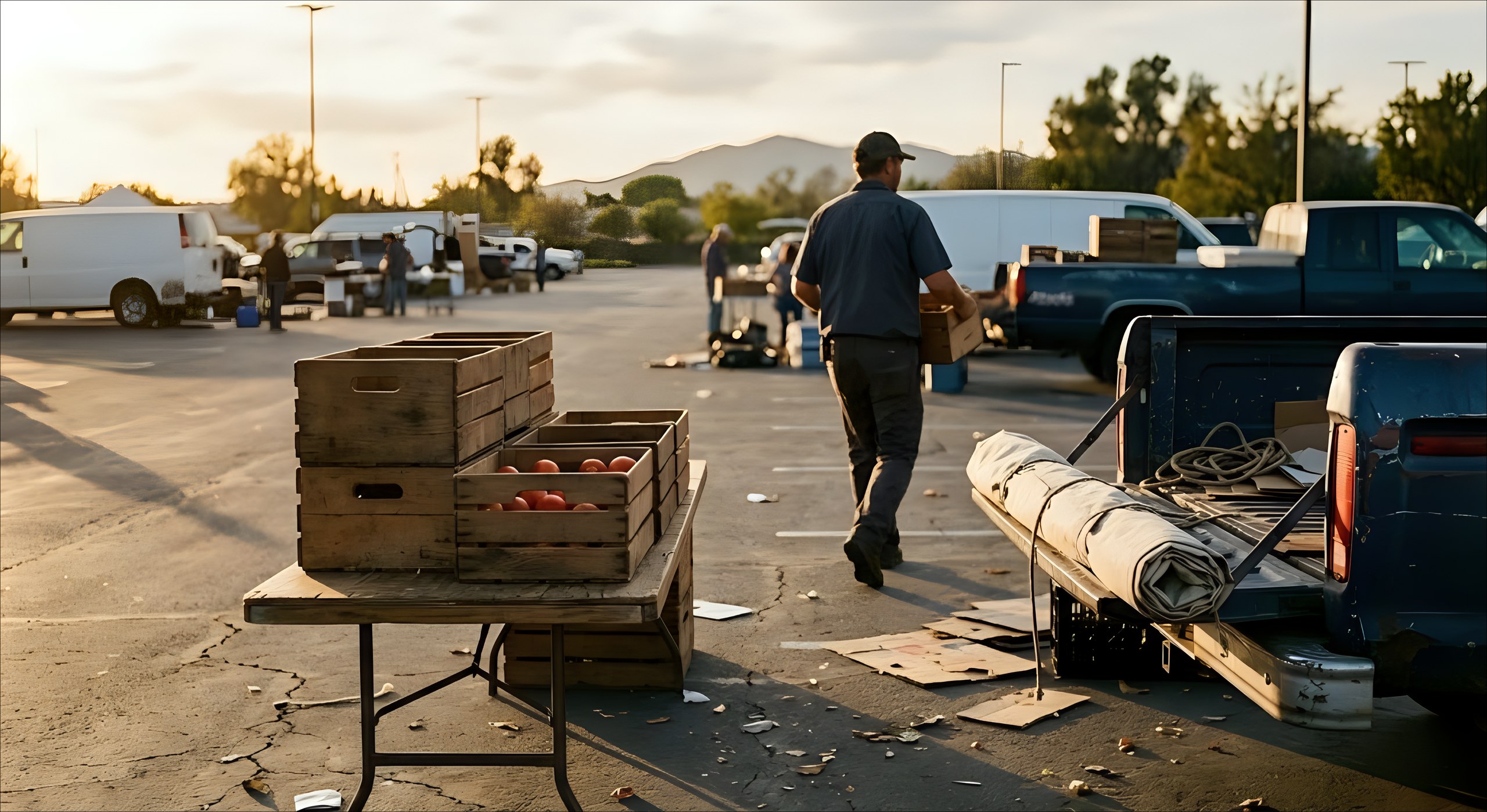
What changes
A shopper keeps the match they get today. Unverified California produce keeps the same benefit it has always had.
Produce that can be verified back to the farm it came from earns an additional bonus, and the transaction leaves a record of which farm the subsidized dollar actually reached. For the first time the state can answer the question it currently cannot: what did this money buy, and who did it reach.
Two things make it work in practice rather than on paper. Certification is paid for, so a standard nobody can afford does not quietly exclude the small farms the program exists to serve. And the markets and stores that run it are funded for the work, because an unpaid mandate is how a good program gets resented by the people carrying it.
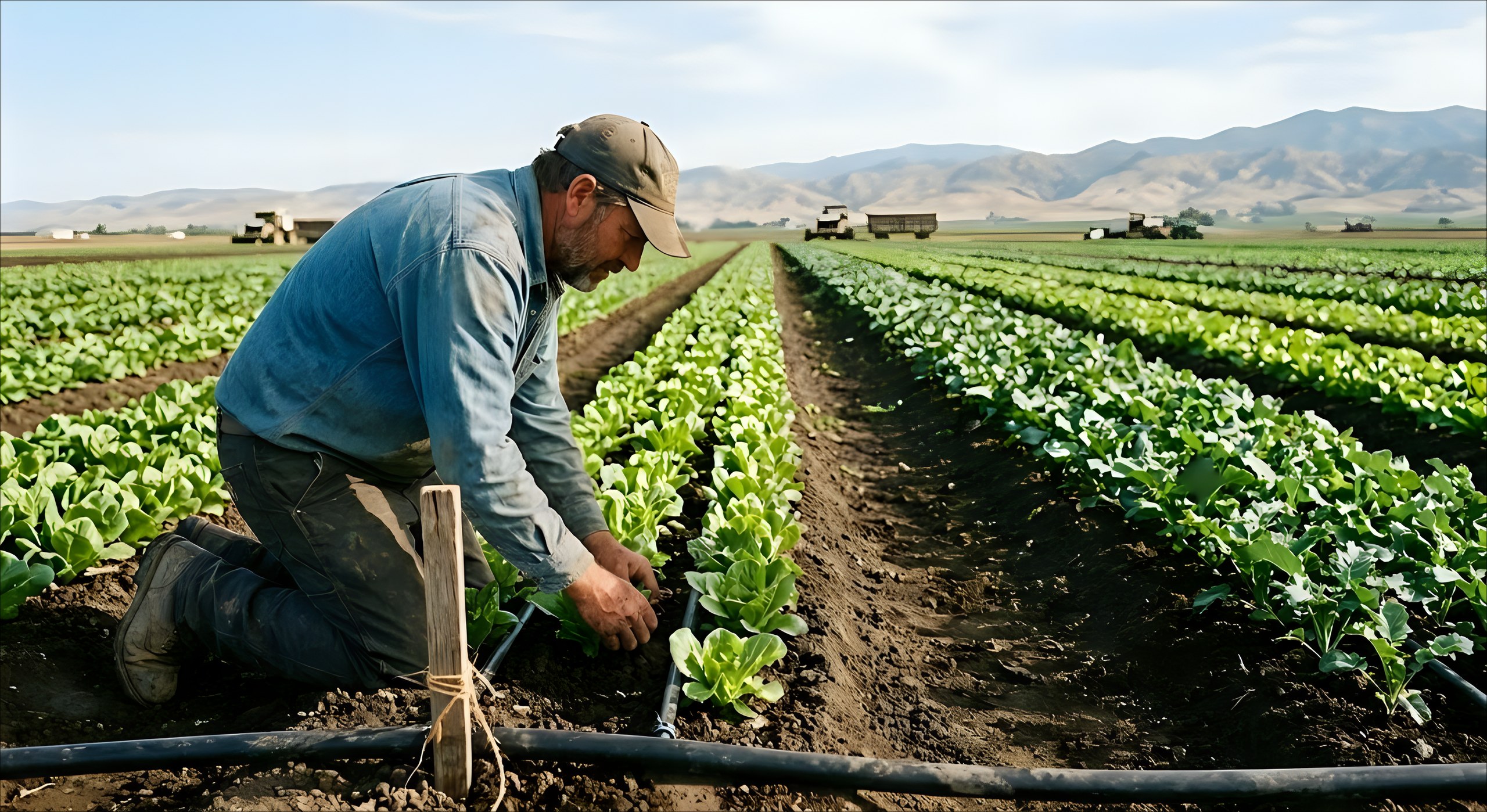
The part no state has written down
A provenance system is only worth the honesty of the layer that vouches for it. Every version of this idea so far has asked the public to take that layer on faith.
This one requires the verification layer itself to be independently audited against a published standard, covering data integrity, chain of custody, fraud detection, privacy and dispute resolution, with the findings reported to the Legislature.
A company that asks to be audited is making a claim its competitors cannot match without opening their own books.
Why a statute, and not a pilot
Eighteen months of grant funding proves a point and then expires. A statute creates a requirement that renews, and a requirement is a market rather than a contract.
In an ordinary procurement the largest firm with the longest government résumé wins, and there are several of those. A statute that requires an independently audited verifier competes on a different axis entirely.
Other states model California in this policy area. A reference implementation here is the argument everywhere else, and it is the difference between one contract and a category.
The pilot is a customer who can leave. The standard is a requirement that has to be met by somebody, every year, for as long as the law stands.
The order of operations
Said plainly
This runs to the 2027 session and the budget that follows it. In a lean year the appropriation is where efforts like this most often stall, and pretending otherwise would waste everyone's time.
What makes it survivable is that the standard and the authority can stand even if the funding arrives later, and that the private pilot runs in parallel rather than waiting its turn. Nothing here depends on everything going right.
It is whether to spend this autumn proving the thing works, so the bill arrives with something real underneath it.
California can already tell you the money was spent. All of this is about the year it can finally tell you where it went.