 Working Lands
Own the ground
under the country.
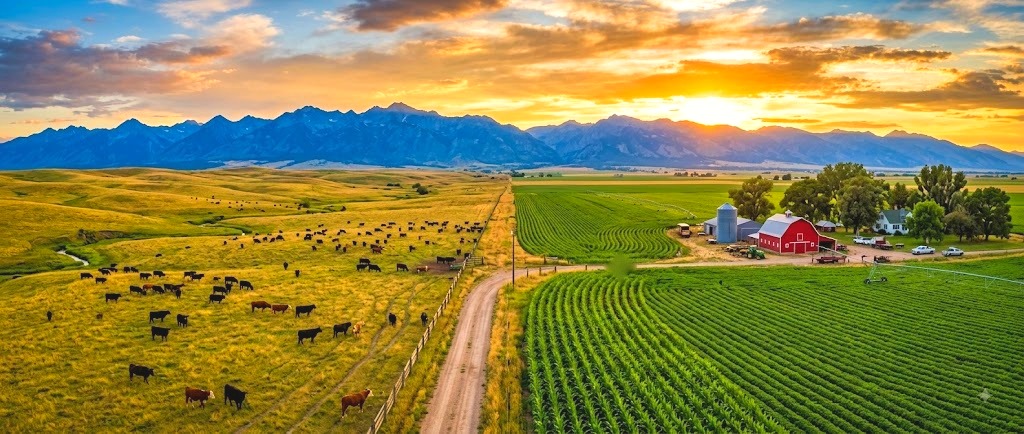
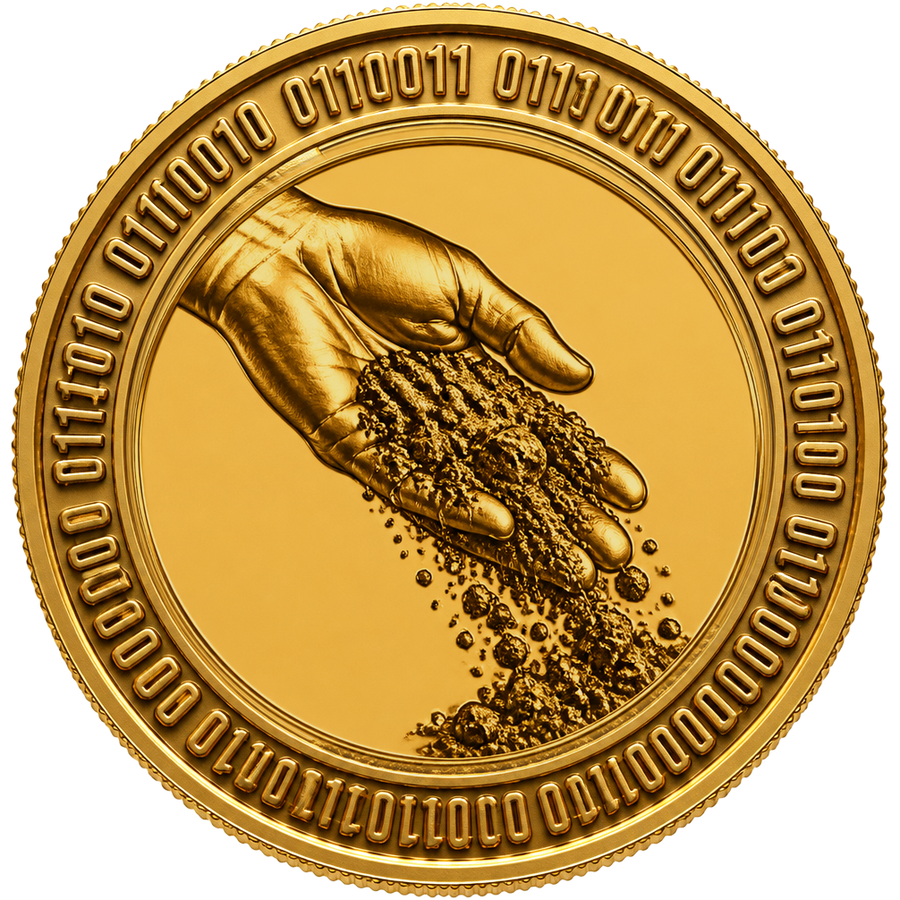
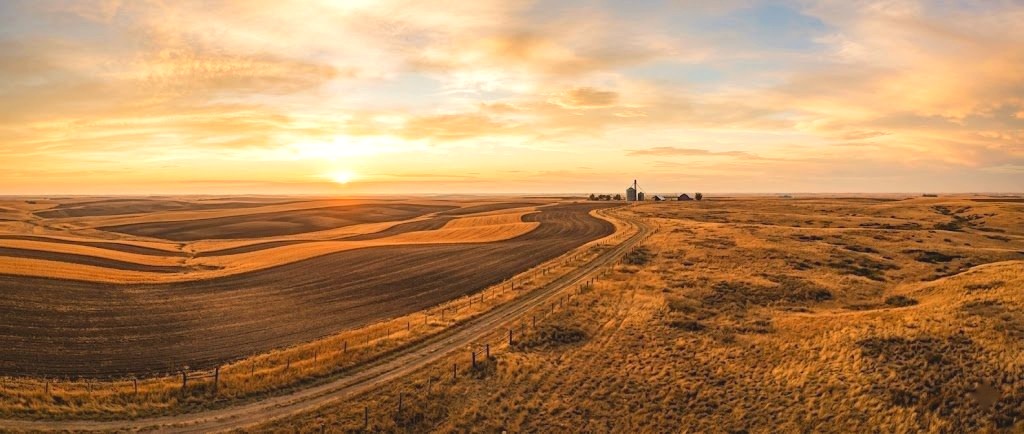
Coins backed by American farmland. Not the harvest. Not the herd. The ground itself.
Working Lands
Coins backed by American farmland. Not the harvest. Not the herd. The ground itself.
The problem with every coin
When belief leaves, there is no floor underneath it, because there was never anything under it to begin with.
You cannot foreclose on a promise.
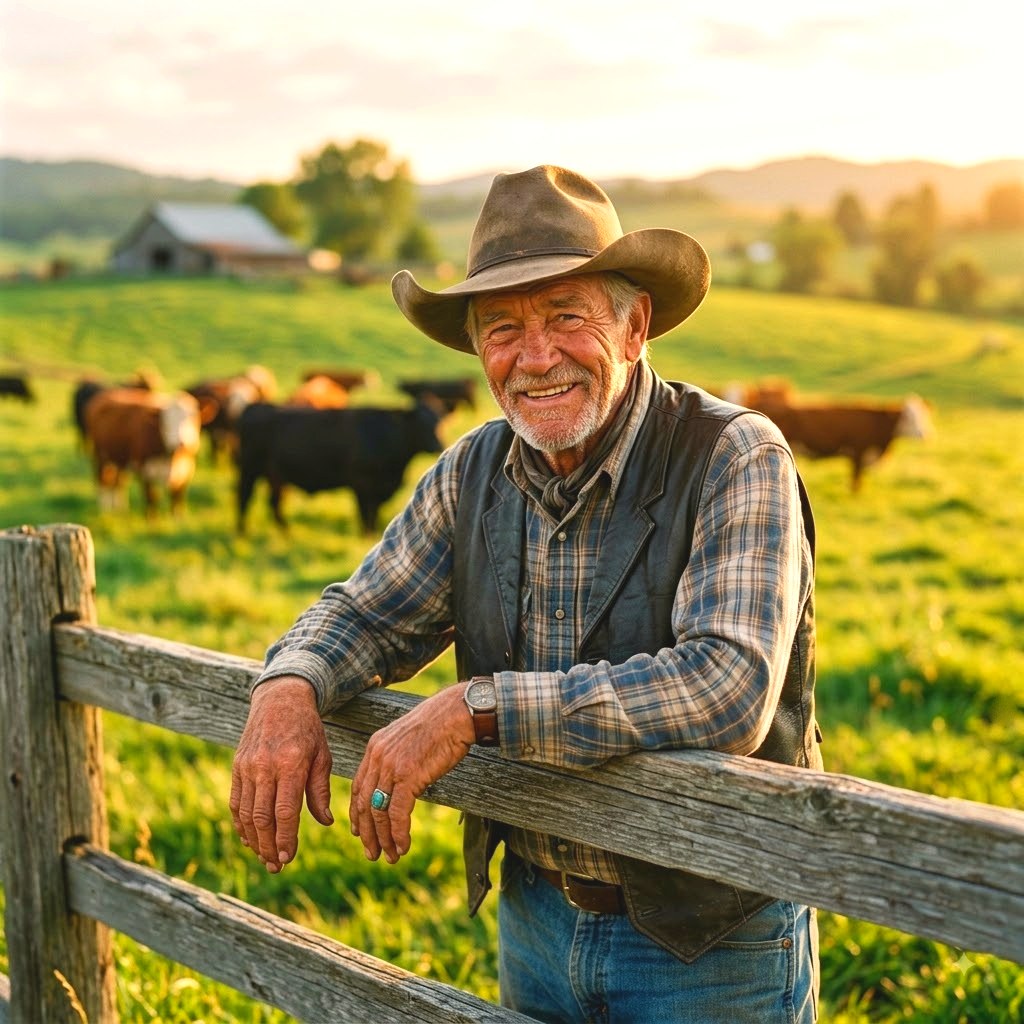
The problem for the farmer
A farmer can be sitting on four million dollars of ground and still not afford a combine. His wealth is real, and it is completely frozen.
His options today are to borrow against the farm and take on a payment, or sell a piece of it and never get it back. Both cost him the farm, slowly or all at once.
The idea
A farmer takes cash today against a share of what his land will be worth later. We hold that claim, secured against the ground and never the ground itself. Investors buy coins backed by a pool of those claims. A coin is worth what the ground is worth. Nothing else.
Land cannot be printed, and it cannot be switched off.
We never buy a single acre. We build the structure that lets the two sides meet.
What the farmer gets
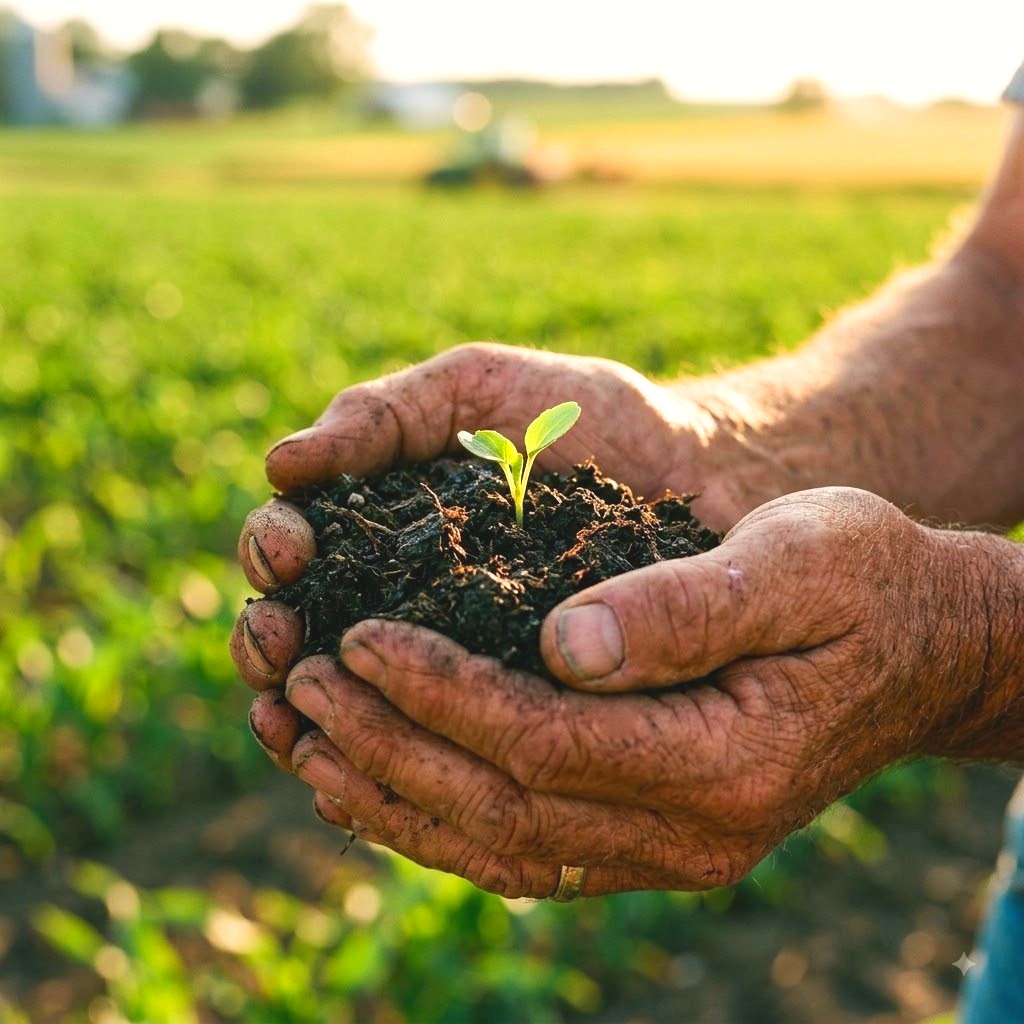
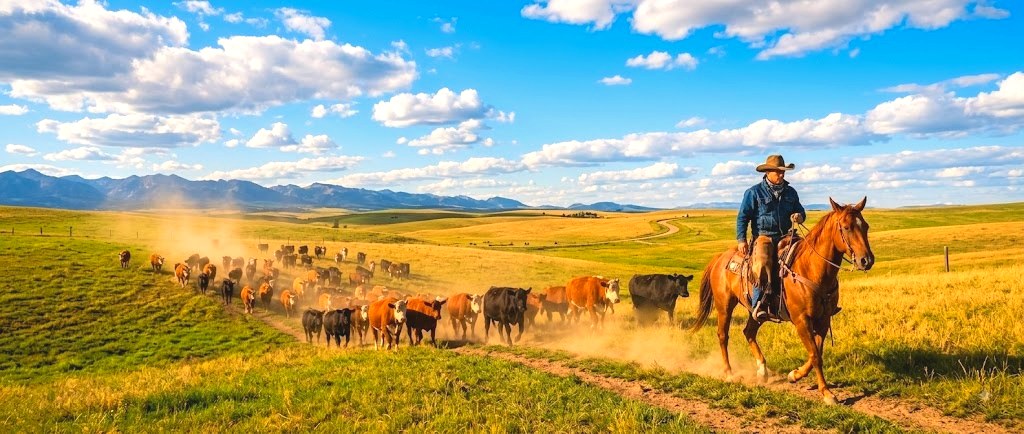
He keeps 100% of every harvest, every head of livestock, every season, for as long as he farms it. His equipment, his operation, his name on the gate.
He gains cash today from equity that was frozen in the ground. No monthly payment. No lender. No note coming due.
He shares only in what the land is worth later, never in what he grows.
The claim settles years down the road, when he sells, refinances, or simply chooses to buy it out. On his timing, not a bank's.
The precedent
Unison, Point and Hometap give a homeowner cash today with no monthly payments, in exchange for a share of what the house is worth later. The owner keeps living there. It works, it is regulated, and it is ordinary.
On farmland, FBN Finance already runs it. Their Farmland Capital program gives a farmer cash for a share of future appreciation, secured against the land, while he keeps the deed, the controls and every dollar the operation earns. Sower runs a contribution fund alongside it.
What nobody has built is the retail side. Every one of these is written for institutions and accredited investors, one farm and one contract at a time. Pooling that model and opening it at a hundred dollars is the part that does not exist yet.
What the investor gets
Nobody refreshes a chart to see what an acre did overnight.
Why this doesn't end like the last one
They tokenized rental houses, which is an asset that needs somebody to show up.
Detroit sued over more than a hundred vacant properties, unpaid taxes and blight fines. A court handed roughly 700 homes to a fiduciary.
The buildings rotted, and the tokens went with them.
Ground does not go vacant. It needs no tenant, no furnace, no roof.
And ours is never absentee. The farmer stays on it, farms it, and keeps paying the taxes he already pays.
The operator is the person whose whole life is that field.
The provision that matters most
Every member signs a right of first refusal. Before that ground goes to a developer, a fund or a foreign buyer, the co-op can match the offer.
For the farmer: a buyer who already knows the land, at a fair price, and one call instead of an auction in the worst season of his life.
For the co-op: the land stays with a farmer instead of leaving for good, and the ground stays working ground.
The right runs to farmer-members first, financed by the pool, never to a corporate title. The next section explains why.
Why the law is on our side
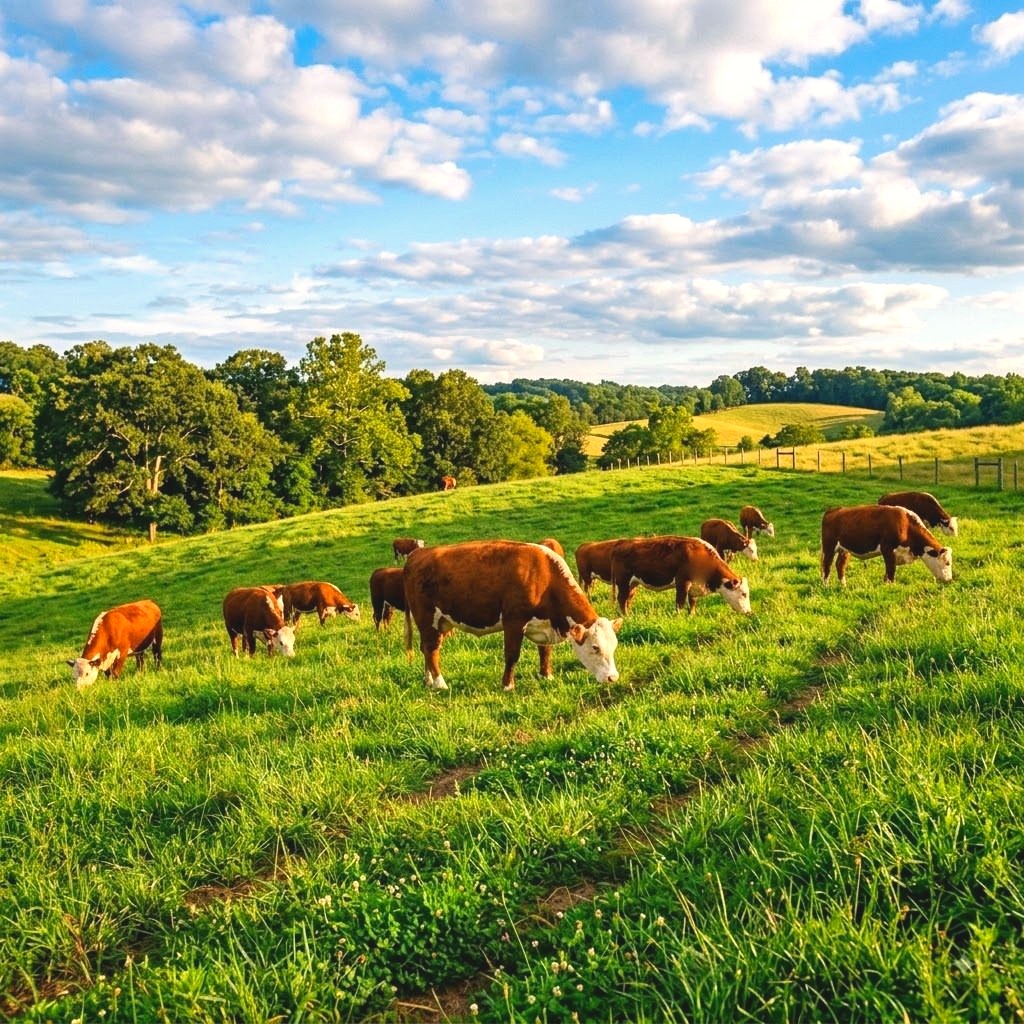
Eight states carry the traditional bans, and Iowa, Kansas, Minnesota, Missouri, North Dakota, Oklahoma, South Dakota and Wisconsin restrict corporations and LLCs from owning or leasing farm ground outright. Around twenty-five states impose some entity restriction. In April 2026 the Farmland for Farmers Act was introduced to do it federally, aimed at investment firms and pension funds. It has not passed.
We are the opposite of the thing they are trying to ban. The farmer keeps the deed, keeps farming, keeps every dollar he grows.
The name
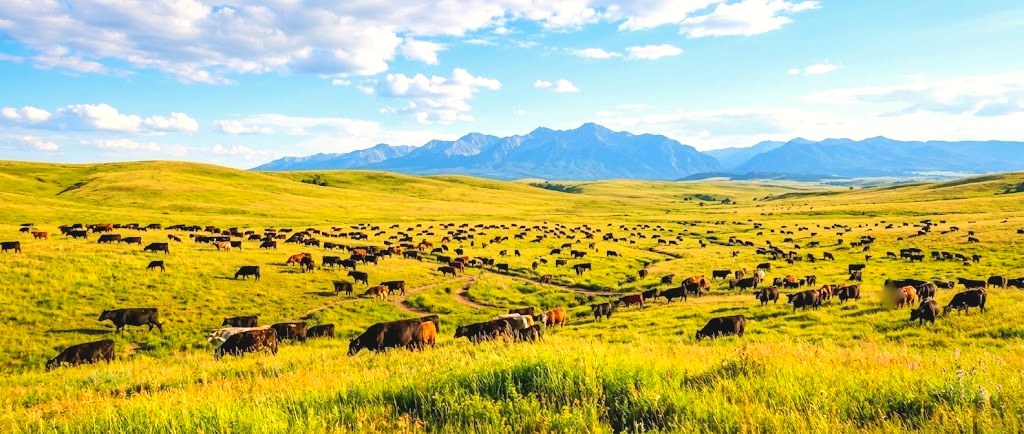
The USDA uses it to mean row crops, pasture, rangeland and timber together, every kind of ground somebody makes a living on. It is the only common term that includes the corn farmer in Iowa and the cattleman in Wyoming without excluding either.
workinglands.io, unregistered
theworkinglands.com, unregistered
workinglandscoin.com, unregistered
WHOIS-checked August 2026. The bare workinglands.com is parked with a reseller, purchasable, not in use.
It sounds like an institution rather than a coin, which is the register a public offering wants.
It carries a second meaning that happens to be true: land that works, and land that is somebody's work.
And it is a real federal term, so it survives contact with a regulator, a rancher and a banker alike.
One deliberate choice: we sell coins, not tokens. A coin is a thing you hold, and for most of history a coin was money with something real behind it. That is the whole proposition, in one word.
The part most pitches leave out
By the NCREIF index, which tracks institutionally held farms, land value fell in both of the last two years. A coin tracking ground alone would have been down roughly three percent each year.
The USDA, measuring the broader market rather than institutional portfolios, reports the opposite for the same period: cropland up 2.2% in real terms to $5,830 an acre in 2025. The two are not in conflict, they are counting different ground. Anyone selling this owes you both numbers.
This is a thirty-year asset in a market that thinks in weeks. It will not double in a quarter and we will never say it will. What it will do is exist. After the year crypto just had, "it cannot go to zero" is the pitch, not the disclaimer.
Why nobody has taken this
AcreTrader and FarmTogether both work, and both are accredited investors only. You need a million in net worth or two hundred thousand a year, and the minimum is ten to twenty-five thousand dollars a deal.
The crypto-side attempts skip the law entirely: no jurisdiction, no legal structure, no mention of securities. That is not competition. That is the warning.
The one hard part
A coin whose value comes from an asset somebody else holds is a security in the United States. Every project that pretended otherwise is either gone or in court.
Doing it properly means a public-offering path, real filings, audited numbers and months of work before a single coin sells.
Which is exactly why it is worth doing. Anyone can write a token in a weekend. Almost nobody can get one qualified to sell to the public, and once it is, that is very hard to catch.
Who we are
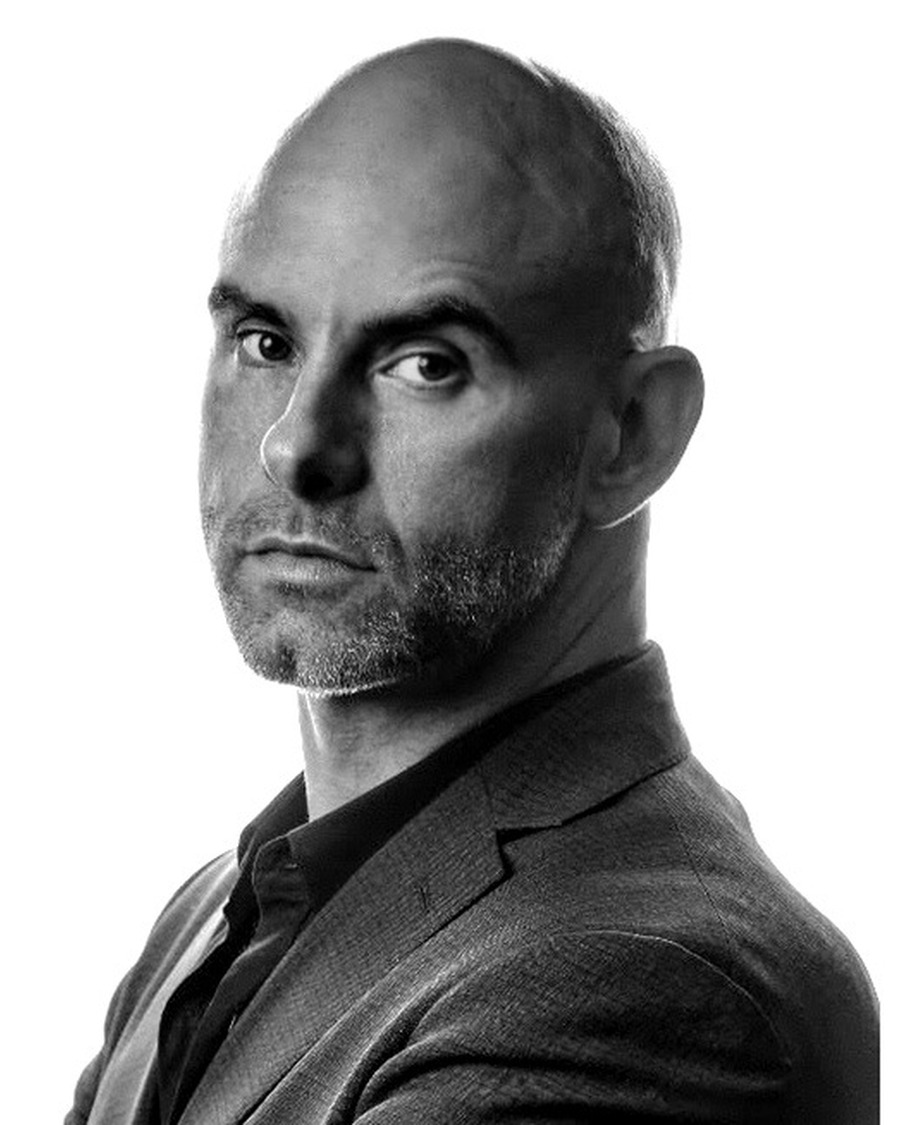
Attorney · Legal & Capital
Charles is a business attorney. He is responsible for the legal structure: the offering, the filings, and the entity that holds the claims. He also leads capital relationships and institutional partnerships.
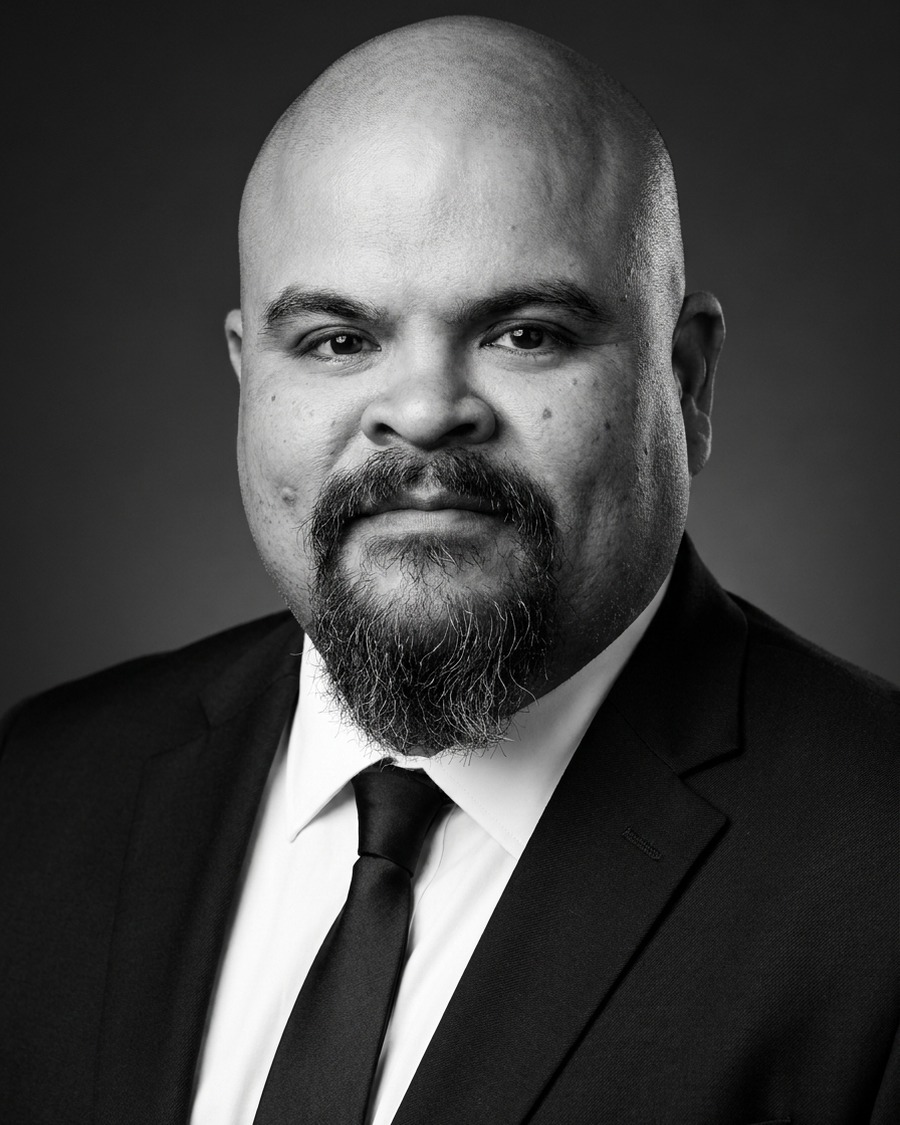
Director of Applied AI · Product & Brand
Michael is a Director of Applied AI and runs an AI design studio. He is responsible for the product: the platform, the coin, the farmer onboarding, and the brand.
What we are building
Farmers stop being land rich and cash poor. Ordinary people finally own the ground under the country.
Not the harvest. Not the herd. The ground itself, which is the one asset in America that has never gone to zero.